
Meeting someone from a dating app is exciting, but it also means meeting a stranger, and that deserves a little smart caution. The good news is that staying safe does not require paranoia. It requires a handful of simple habits that dramatically lower your risk while barely changing the experience.
Most people who date online never have a serious problem. But the ones who stay safest are not lucky, they are prepared. They meet in public, they tell a friend, and they trust their gut when something feels off.
So let me walk you through exactly how to stay safe online dating, from the first message to the first meetup, so you can focus on the fun part without leaving your safety to chance.
The Short Answer: Your Safety Checklist
To stay safe meeting someone from a dating app: keep chatting on the app before sharing personal contact details, do a quick video call before meeting, meet in a busy public place in daylight for the first few dates, arrange your own transport there and back, tell a friend where you are going and when to expect you, never share your home or work address early, never send money to anyone you have not met, and trust your instincts, if something feels off, leave. These simple habits handle almost every real risk.
How Do You Stay Safe Before You Meet?
Safety starts online, well before any date. Keep your early conversations on the app itself rather than rushing to hand over your phone number or social media. A scammer’s first move is usually to pull you off the platform where there is less oversight.
Protect your personal information. Do not share your home address, workplace, daily routine, or financial details with someone you have just matched with. These seem harmless in friendly conversation, but they are exactly what a bad actor collects.
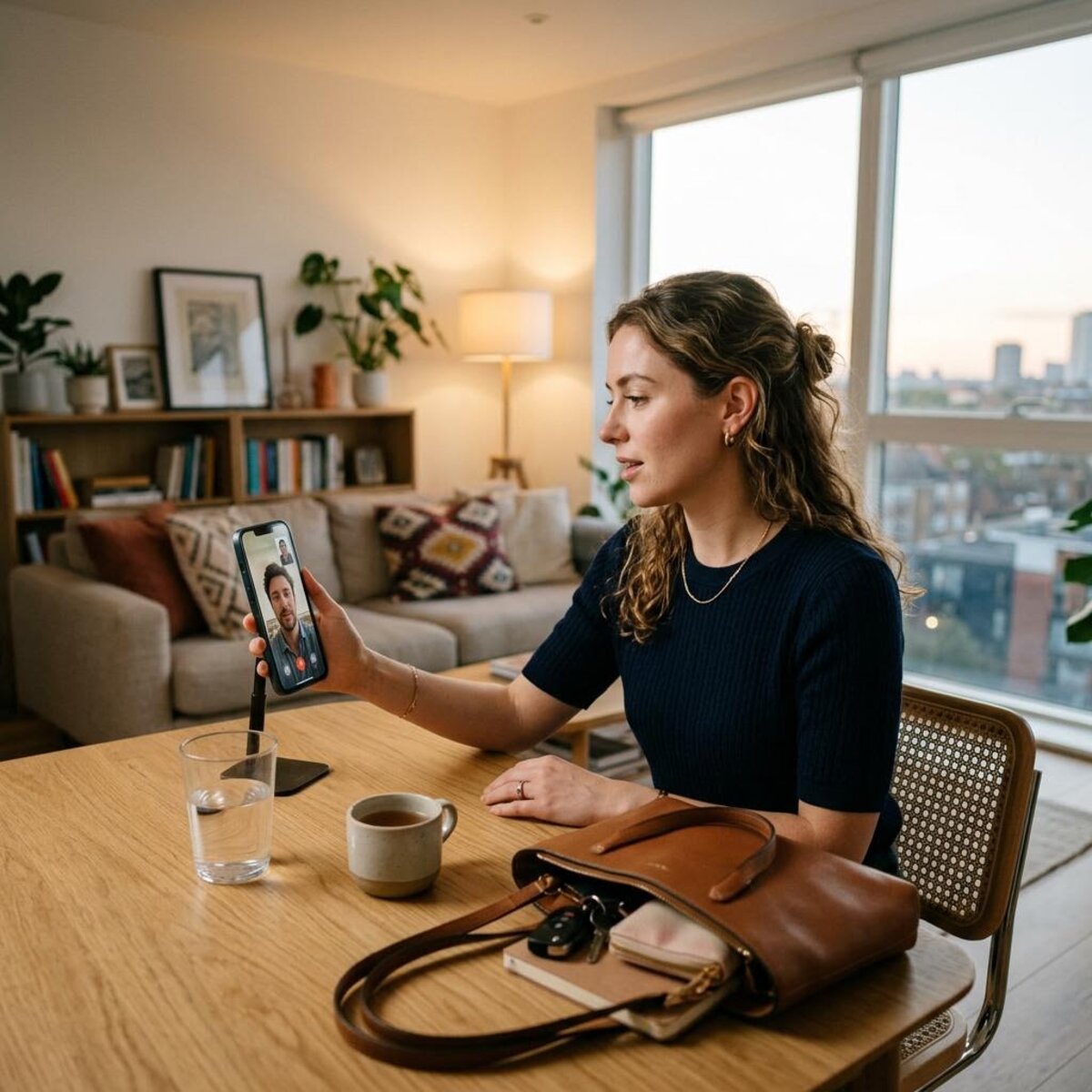
Do a quick video call before meeting in person. It confirms the person matches their photos and gives you a real sense of them. Anyone who repeatedly refuses to video chat or talk on the phone is showing you a red flag worth taking seriously. Learning to spot a fake profile on dating sites before you ever agree to meet is one of the best protections you have.
How Do You Stay Safe at the First Meeting?
Meet in public, every time, for the first few dates. A busy coffee shop, restaurant, or park in daylight surrounds you with people and keeps things low pressure. Never agree to a first meeting at your home, their home, or any private, isolated place.
Handle your own transportation. Drive yourself, take a rideshare, or have a friend drop you off and pick you up, so you are never dependent on your date to get home. This keeps you in control of when and how you leave.
These are not overcautious rules, they are standard advice from safety experts. According to RAINN’s guidance on safer dating, meeting in a well lit busy area, arranging your own transport, and never going to a private location until trust is built are among the most effective ways to reduce your risk on a first meeting.
Questions to Ask Yourself Before You Go
Before any first date, run a quick internal check. Does a trusted person know where I am going, who I am meeting, and when I will be back? Am I getting there and home on my own? Have I actually talked to this person enough, ideally on video, to feel reasonably comfortable? Is anything about this person or plan quietly nagging at me?
That last question matters most. If something feels off during the planning, you are allowed to postpone or cancel with no explanation owed. Your comfort is a valid reason all by itself, and a good person will respect it.
What Are the Biggest Red Flags to Watch For?
The clearest red flag is anyone who asks you for money, in any form, especially wire transfers, gift cards, or cryptocurrency. This is the signature of a romance scam, and the rule is absolute: never send money to someone you have not met in person. Scams are common enough that, in one Pew Research survey, more than half of online daters said they had encountered someone they believed was trying to scam them.
Watch for anyone who refuses to video chat or meet, invents constant excuses, or claims to be stuck overseas. Also watch for people who push too fast, either for a serious relationship or to move off the app immediately. Pressure and urgency are tools, not romance.
And notice inconsistencies. If details about their life keep changing, or the person on the phone does not match the profile, believe what you are seeing. Real connection can handle your questions. Deception cannot.
What I Tell My Coaching Clients
I tell people that your instincts are not being rude, they are being smart. So many bad situations could have been avoided if the person had honored the quiet voice that said “something is off” instead of talking themselves out of it to seem polite or easygoing.
You never owe a stranger your comfort or your safety. If a date feels wrong, you can leave. If a conversation feels manipulative, you can stop replying. Politeness is not worth more than your wellbeing, and anyone who makes you feel guilty for protecting yourself has told you exactly who they are.
How Do You Trust Your Gut Without Being Paranoid?
Balance is the goal. Most people on dating apps are genuine, so you do not need to treat every match like a suspect. The habits above let you stay open and relaxed precisely because your safety basics are already handled.
Think of it like a seatbelt. You do not expect a crash every time you drive, but you buckle up anyway, and then you stop thinking about it. Safe dating works the same way. Set the habits, then go enjoy the date.
When your safety foundation is in place, you can actually be present and open, which is where real connection happens anyway. Once you feel comfortable and the basics are covered, my guide on first date tips helps you make that meeting genuinely good.
Safe vs Risky Dating Habits
| Risky Habit | Safe Habit |
|---|---|
| Moving off the app to text or email fast | Keeping early chats on the platform |
| Sharing home or work details early | Keeping personal info private at first |
| Meeting at a home or private place | Meeting in a busy public spot in daylight |
| Relying on your date for a ride | Arranging your own transport both ways |
| Telling no one about the date | Letting a friend know your plans |
| Ignoring a gut feeling to seem polite | Trusting your instincts and leaving if needed |
The Mistake I Want You to Avoid
Do not let excitement or loneliness override your basics. The most common way people get burned is meeting too fast, skipping the video call, or agreeing to a private location because the chemistry felt intense over text. Strong feelings are not proof of safety.
No genuinely good match will ever be lost because you took a week longer, met in public, or asked for a video call first. If someone pressures you to skip your safety steps, that pressure is itself the answer. The right person is happy to help you feel safe.
Reality Check
Here is the honest part: no checklist can guarantee your safety, because you cannot control another person’s actions. If something ever does go wrong, it is not your fault, and support is available. These habits reduce risk, they do not erase it, and that distinction matters.
What you can control is stacking the odds in your favor and staying tuned in to yourself. Do that, and online dating becomes what it should be, a way to meet people that is mostly exciting and rarely scary. Safety and openness are not opposites, and building both starts with dating honestly, which is what my guide on authentic dating is all about.
This is a sensitive topic, and if you ever feel unsafe or have had a frightening experience, please reach out to someone you trust or a support service in your area. You do not have to handle it alone.
Frequently Asked Questions
How do you stay safe meeting someone from a dating app?
Keep early chats on the app, do a video call first, and meet in a busy public place in daylight. Arrange your own transport, tell a friend your plans, keep personal details private, and never send money. Above all, trust your instincts and leave if anything feels off. These habits handle almost every real risk.
Where should you meet someone from a dating app for the first time?
Always meet in a busy, well lit public place like a coffee shop, restaurant, or park, ideally during daylight for the first few dates. Never meet at your home, their home, or any private or isolated location until real trust is built. Public settings keep the meeting low pressure and safe.
What are the red flags of a dating app scammer?
Major red flags include asking for money in any form, refusing to video chat or meet, claiming to be stuck overseas, pushing to move off the app quickly, and rushing intimacy or commitment. Inconsistent details and constant excuses are also warning signs. Never send money to someone you have not met in person.
Should you video chat before meeting in person?
Yes. A quick video call confirms the person matches their photos and gives you a real feel for them before investing time in a meeting. Anyone who repeatedly refuses to video chat or talk on the phone is showing a significant red flag that is worth taking seriously.
How much personal information should you share on a dating app?
Keep it minimal early on. Avoid sharing your home or work address, daily routine, financial details, or anything that could access your accounts until real trust is established. Casual conversation can reveal more than you realize, so stay mindful of what a stranger could piece together about your life.
What should you do if a date makes you feel unsafe?
Leave. You never owe a stranger your continued presence. Use your own transport to go, reach out to a trusted friend, and remove yourself from the situation without guilt. If you feel in immediate danger, contact emergency services. Trusting your instinct to leave is always the right call.

Written by a Real Coach, Not an AI
David WygantDating coach for over 20 years, David has personally helped 1.7 million people navigate dating, relationships, and confidence. He tests every platform and product he reviews himself before recommending it. His advice has been featured on NBC, MTV, USA Today, the New York Post, and the LA Times.
More about David's experience →